Compliance · Donors · Programme management
Donor compliance without the paperwork trap
Every funder has its own frameworks. How to build programme systems once and satisfy many partners, without drowning teams in reporting.
Avicenna Consulting International · · 2 min read
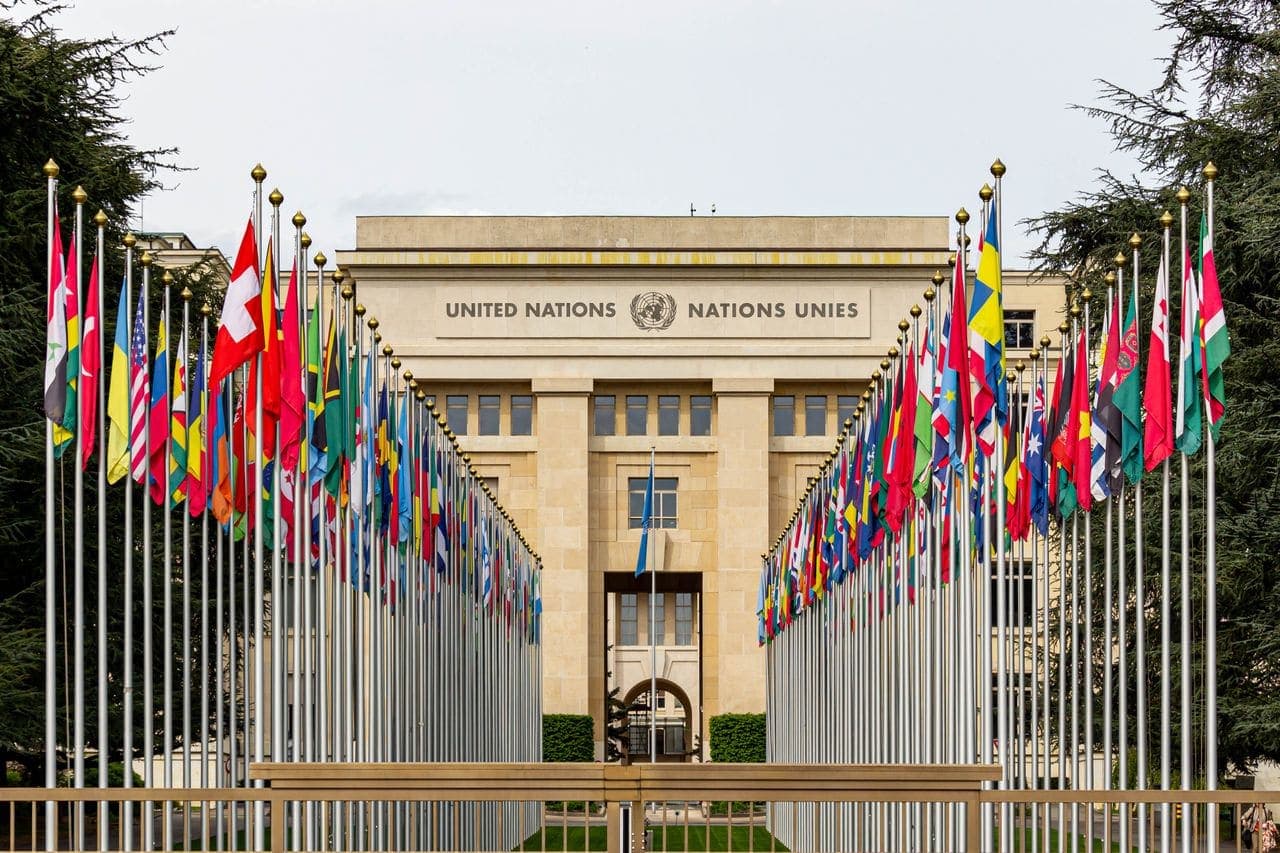
Anyone who has delivered a donor-funded programme knows the pattern. Each partner brings its own frameworks, templates and calendars, and teams end up spending more time reporting on the work than doing it. Compliance becomes a burden because it is treated as something added at the end of the quarter rather than designed into the programme.
Different partners, different expectations
The World Bank and the Asian Development Bank expect results frameworks, financial management reporting and safeguards. Bilateral agencies such as the FCDO emphasise theory of change, annual reviews and value for money. UN agencies work within results-based management and harmonised cash transfer requirements. Government counterparts have their own rules for project proformas, procurement and financial systems.
These overlap more than they differ. Almost all of them ask the same underlying questions: what are you trying to achieve, how will you know, how is money controlled, and what happens when something goes wrong?
Build once, report many
A single, well-designed results framework can be mapped to each partner's format. The same is true of financial controls, procurement files and risk registers. The investment is in the design of the system, not in repeating the effort for each report.
Put controls where the work happens
- Financial management: segregation of duties, approval limits, clear audit trails and regular reconciliations
- Procurement: documented competition, evaluation records and contract files that an auditor could follow without help
- Integrity: a zero-tolerance approach to fraud and corruption, conflict-of-interest declarations and a safe way to raise concerns
- Data protection: clear rules on who can see participant and beneficiary data, and how it is stored
Make it routine
A compliance calendar with named owners, early conversations with each partner's focal point, and a live risk register keep surprises small. Good compliance is mostly good habits: records kept as the work happens, and reviews that are scheduled rather than reactive.
The payoff
Strong systems protect programmes as much as they satisfy funders. They make audits uneventful, speed up approvals and give donors the confidence to fund more. That is why compliance standards across the main partner groups are built into how ACI delivers its work from the start.
