Knowledge translation · Policy · Communication
From evidence to action: writing policy briefs that get read
Good research is wasted if decision-makers never absorb it. Principles for turning findings into short, usable policy briefs.
Avicenna Consulting International · · 2 min read
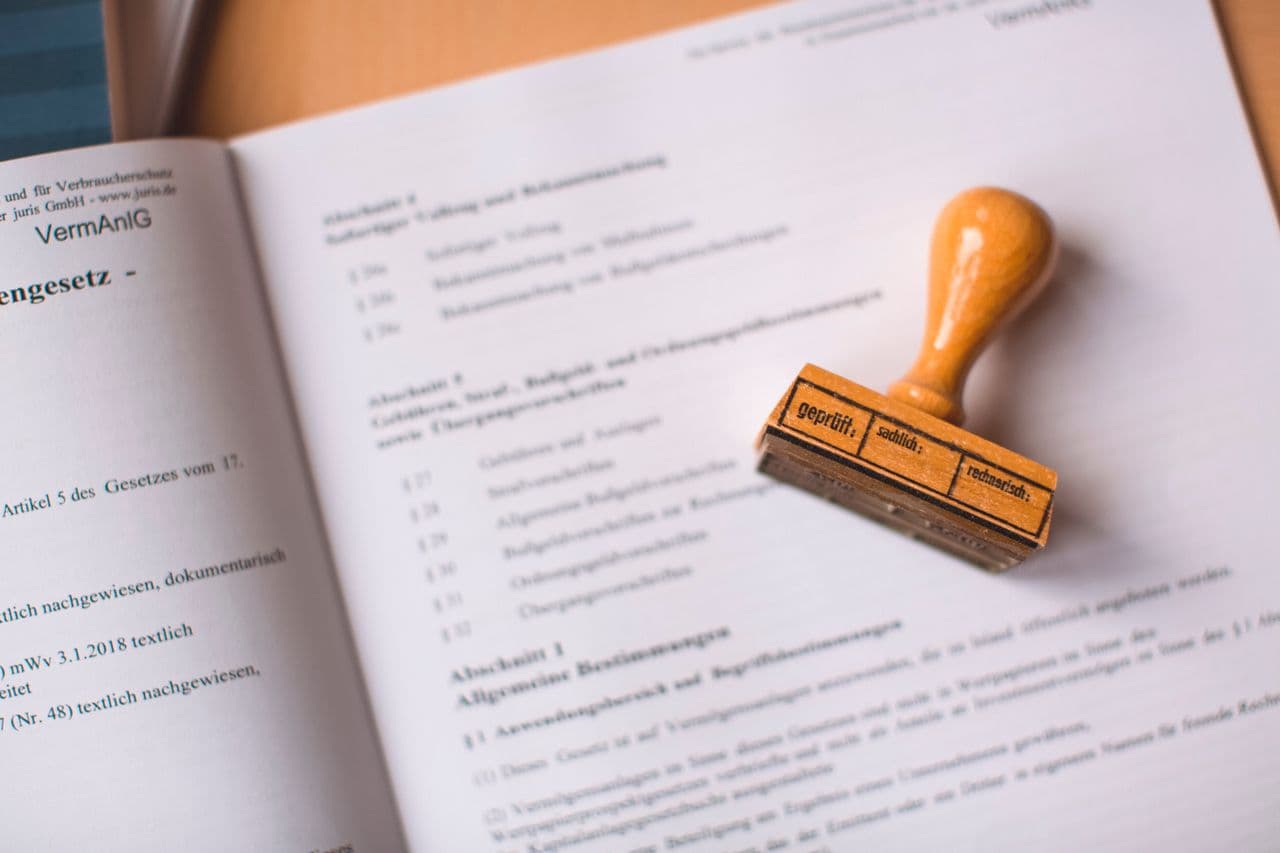
A senior official has limited time and a full inbox. A hundred-page report, however rigorous, may never be opened. A well-written policy brief gives that official what they need to act, in a few minutes.
Writing one is a skill, and it is different from writing a research paper.
Know your reader and your ask
Before writing a word, answer two questions. Who will read this, and what do you want them to do? The reader might be a secretary, a parliamentary committee or a donor's programme officer; the "ask" might be approving a policy change, funding a pilot or revising a guideline. A brief without a clear ask rarely changes anything.
A reliable structure
- Title that states the issue or the message, not just the topic
- Key message, a few lines at the top that someone could read alone and still understand the point
- The problem, with the evidence that matters most, not every finding
- Options, presented fairly, with their likely effects, costs and risks
- Recommendation, specific, with who should do what and by when
- Next steps, so the reader sees how to move
Aim for two to four pages. If it takes longer, ask whether you are including detail the reader does not need.
Make the evidence easy to digest
- Use plain language and short sentences; define technical terms or avoid them
- Replace paragraphs of numbers with one clear chart or table
- Put the most important point first, not last
- Be honest about uncertainty and limits of the evidence, without burying the message
Think about context
Briefs land in a political and practical environment. What is feasible within current budgets, laws and timelines? Which stakeholders will support or resist? Recommendations that acknowledge these realities are more credible.
Test before you publish
Ask someone outside your field to read the draft. Can they say, in one sentence, what you want? If not, revise. Where possible, discuss the brief with its intended audience before circulating it widely.
Pair it with engagement
A brief works best as part of a conversation: a short presentation, a policy dialogue or a meeting with the right people. Written products support relationships; they rarely replace them.
Knowledge translation is where evidence meets decisions, and where much of its value is won or lost.
